

Ms. Rachel from an SLP Perspective
According to an article published in the May 2025 edition of The ASHA Leader by the American Speech-Language-Hearing Association, many professionals recognize positive benefits of the Ms. Rachel program. The show is widely viewed as a valuable tool for supporting early speech and language development due to its intentional modeling strategies and child-centered presentation style.
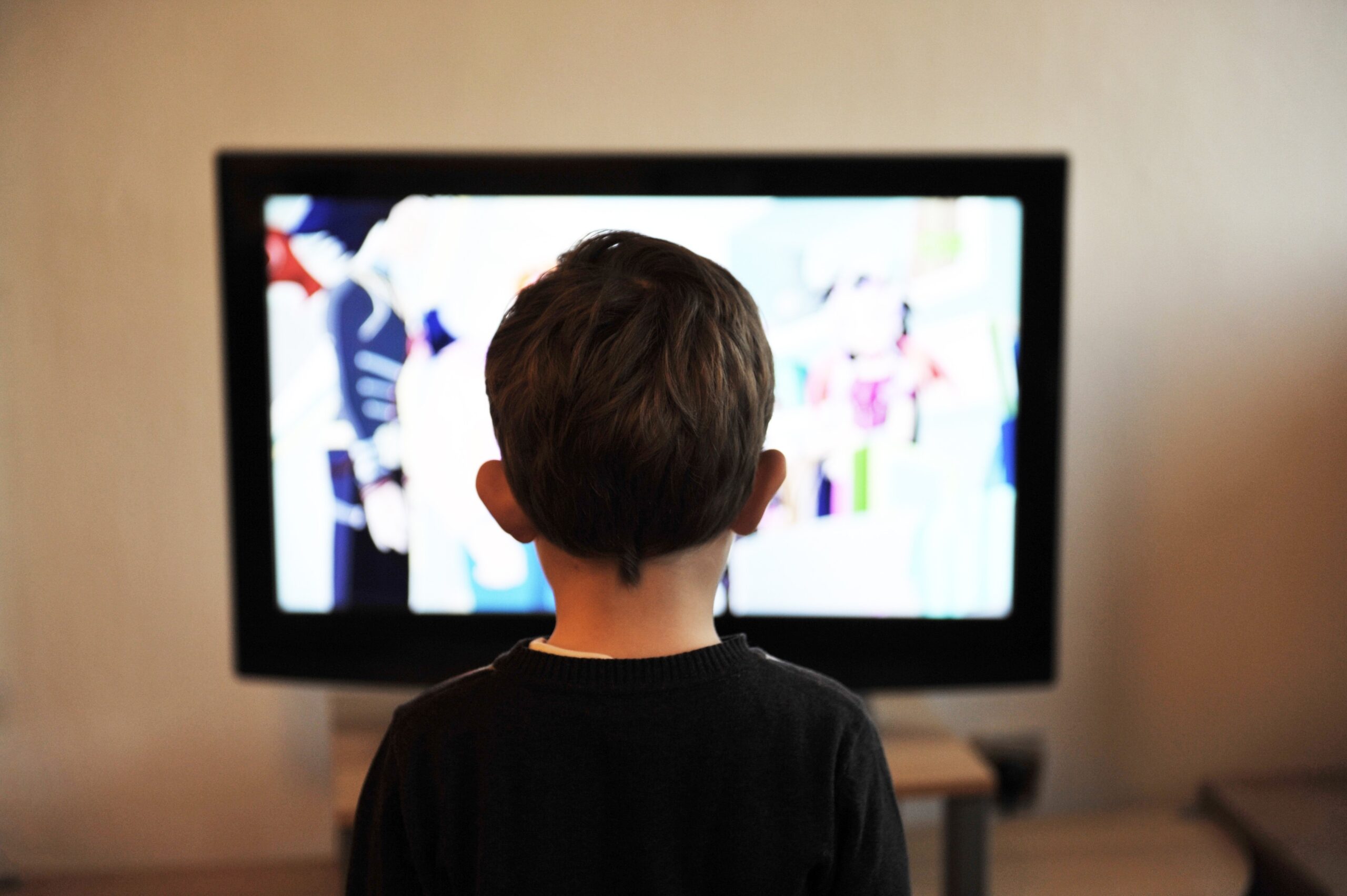
However, from a Speech-Language Pathologist’s (SLP) perspective, it is important to emphasize that Ms. Rachel should never replace speech therapy when therapy is recommended. It should also never substitute meaningful parent-child interaction. While there are several elements that make the program educational and engaging, concerns arise when screen time begins to replace authentic play, daily routines, and face-to-face engagement — which are the true foundations of language development.
What Ms. Rachel Does Well
There are several evidence-based speech and language strategies that Ms. Rachel purposefully incorporates into her show:
• Word Repetition
She models meaningful vocabulary multiple times in engaging, functional contexts. Repetition supports comprehension and helps children map words to meaning.
• Slowed Rate of Speech
Her intentionally slower pace supports auditory processing and allows children more time to attend to language.
• Strategic Pausing
She frequently pauses to allow time for imitation and response. This “expectant pause” is a strategy SLPs use in therapy sessions to encourage expressive language.
• Sing-Song Intonation (“Parentese”)
Her use of exaggerated intonation captures attention and supports early language learning.
• Incorporation of Gestures
She pairs spoken language with gestures, which supports multimodal communication and early word learning.
• Music, Singing, and Social Games
Songs, nursery rhymes, and interactive games are powerful tools for supporting joint attention, memory, and early communication skills.
These elements align with many of the strategies SLPs coach parents to use during everyday interactions.
Concerns About the Ms. Rachel Program
While the show models strong strategies, there are important considerations:
• The Myth That Screen Time “Teaches Kids to Talk”
Research consistently shows that children learn language best through real-life interaction — play, mealtimes, routines, and responsive exchanges with caregivers. Screens cannot replicate the back-and-forth dynamic of live communication.
• Passive Viewing
If a child is watching without interaction, the learning impact is significantly reduced. Language develops through serve-and-return exchanges, not one-sided input.
• Reduced Opportunities for Play
Excessive screen time can replace opportunities for imaginative play, motor exploration, and social engagement — all of which are critical for communication development.
• Over-Reliance on Media
Families may delay seeking evaluation or therapy because a child “talks along with Ms. Rachel,” even if functional communication skills are limited in real-world settings.
Strategies for Using Ms. Rachel Intentionally
If families choose to incorporate Ms. Rachel into their home routine, here are ways to make it more language-rich and interactive:
• Promote Co-Viewing
Watch alongside your child. Comment on what they are looking at, imitate gestures, and respond just as Ms. Rachel does. Make it a shared experience.
• Pause Strategically
Pause the video to create opportunities for your child to respond, imitate, or comment. Turn screen moments into real interaction.
• Extend Beyond the Screen
Take songs, gestures, or vocabulary from the show and use them during daily routines. Sing the same songs at bath time or during play.
• Follow Your Child’s Lead
If your child shows interest in something from the show (a bus, a farm animal, a gesture), bring that theme into real-life play.
The Bottom Line
Ms. Rachel can be a helpful supplemental tool when used intentionally and in moderation. It models many strong speech and language strategies that align with evidence-based practice. However, it should never replace therapy when indicated — and it should never replace the powerful, brain-building experience of engaged, responsive interaction with a caregiver.
Language grows in connection — not just in consumption.
—
Get a Free Online Assessment
Looking for an expert opinion on your child's needs? Fill out a 3 minute questionnaire and receive a personal evaluation from our staff
By submitting this form, you are consenting to receive marketing emails from: . You can revoke your consent to receive emails at any time by using the SafeUnsubscribe® link, found at the bottom of every email. Emails are serviced by Constant Contact