

Day: April 26, 2026

Back to Routine: Supporting Attention and Regulation After Spring Break

  As spring  break comes to an end, many children with attention difficulties may experience challenges as they return to school routines. The transition from flexible schedules, increased screen time, and special activities to more structured days can feel overwhelming. During this time, it is common for parents to notice changes in attention, behavior, or emotional regulation. To support a smoother adjustment, families can begin reintroducing routines gradually. Consistent wake-up times, predictable mealtimes, and visual schedules help children understand expectations and feel more secure. Simple supports such as gentle reminders, movement breaks, and clear, concise directions can make a meaningful difference as children work to refocus and regulate their attention. It is important to remember that this transition takes time.

Read More

Take Me Out to the Ballgame: A Baseball Game Is Full of Language Opportunities

As an SLP, I love helping families see how everyday outings can support communication. A trip to a baseball game — whether it’s a Chicago Cubs game, a Chicago White Sox game, or a local game — can be a fun, natural way to build speech and language skills. BEFORE the game Talk about what you might see: bat ball glove helmet scoreboard snack stand Ask simple questions like: “Who do you think will win?” “What do you think we’ll eat?” “What do players wear?” DURING the game Use the moment to build language naturally: Ask WH- questions “Who is batting?” “Where did the ball go?” “What happened?” Practice describing loud exciting fast crowded cold Encourage requesting “Can I have

Read More

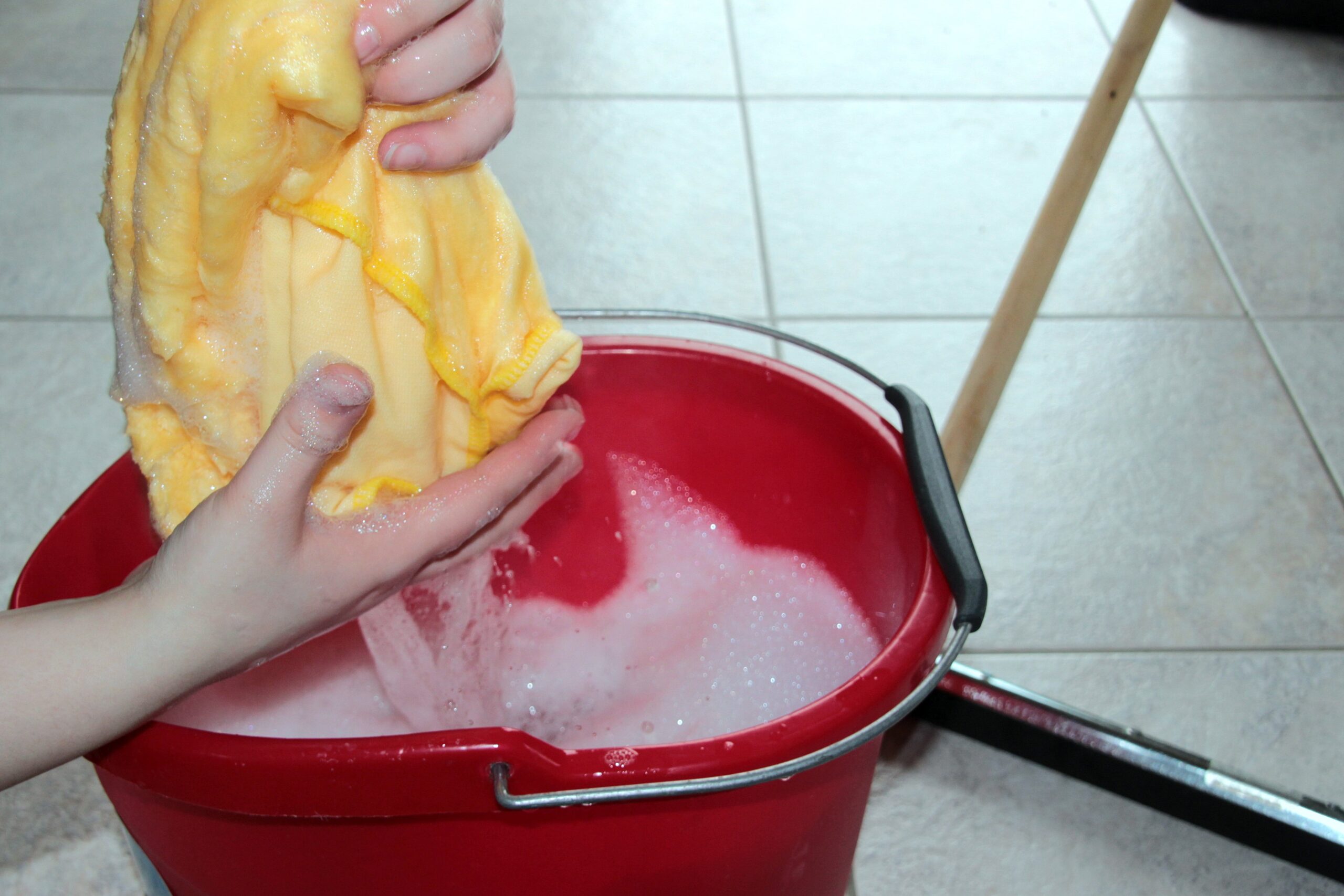
Spring Cleaning Can Build Language Too!!

As an SLP, I often remind families that speech and language growth does not only happen during structured “practice.” Some of the best opportunities happen during everyday routines, even spring cleaning. Sorting toys, putting away clothes, and organizing shelves all create natural chances to support communication. Here are a few easy ways to build language at home: Sort and describe Talk about what belongs together: “Let’s put the cars here.” “Find the big stuffed animals.” “These are all blue.” Follow directions Use simple instructions during clean-up: “Put the books on the shelf.” “Take the shoes under the bench.” “First pick up the blocks, then the cars.” Use action words Cleaning gives you lots of natural vocabulary: wipe wash fold stack

Read More