
Day: March 22, 2026

Building Speech and Language Skills with Spring Scavenger Hunts

  Spring scavenger hunts are a fun, low-prep way to target speech and language goals while getting kids moving. With just a short walk outside, you can turn everyday objects into powerful learning opportunities. Skills you can target: Vocabulary: Describe items by color, size, function, or category Articulation: Search for objects with a target sound (e.g., sun, flower, grass) Following directions: Practice 1-step to multi-step directions Grammar: Use complete sentences (“I found…”, “It is…because…”) Social skills: Take turns, give clues, and ask questions  Spring scavenger hunts are an easy way to make practicing speech and language meaningful and engaging. 

Read More

Spring Into Developmental Motor Milestones

Spring Into Developmental Motor Milestones April is a wonderful time to reflect on developmental motor milestones and how they connect to communication growth. As babies learn to sit, crawl, and walk, they gain new ways to explore their world. With that exploration comes more opportunities to hear language, share experiences, and interact with others. Movement helps children engage with people and objects, which naturally supports vocabulary development and early social skills. Motor development also plays a direct role in speech. Skills like breath support, posture, and coordination contribute to clear sound production, while gestures such as pointing and reaching often come before spoken words. When children build strong motor foundations, they are better equipped to develop strong communication skills.

Read More

Ms. Rachel from an SLP Perspective

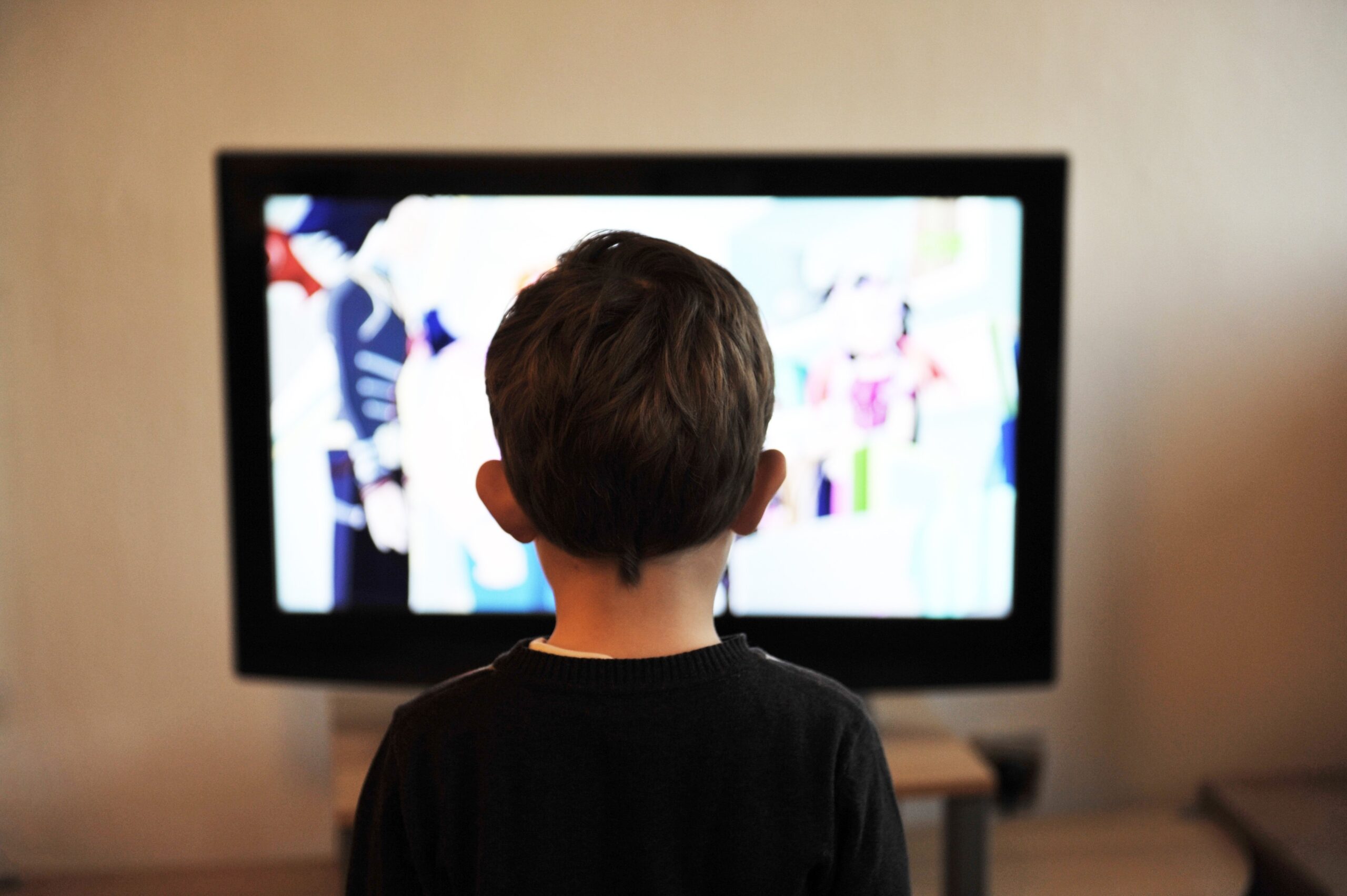
Ms. Rachel from an SLP Perspective According to an article published in the May 2025 edition of The ASHA Leader by the American Speech-Language-Hearing Association, many professionals recognize positive benefits of the Ms. Rachel program. The show is widely viewed as a valuable tool for supporting early speech and language development due to its intentional modeling strategies and child-centered presentation style. However, from a Speech-Language Pathologist’s (SLP) perspective, it is important to emphasize that Ms. Rachel should never replace speech therapy when therapy is recommended. It should also never substitute meaningful parent-child interaction. While there are several elements that make the program educational and engaging, concerns arise when screen time begins to replace authentic play, daily routines, and face-to-face engagement — which

Read More