Day: February 22, 2026

Why We Play in Speech Therapy

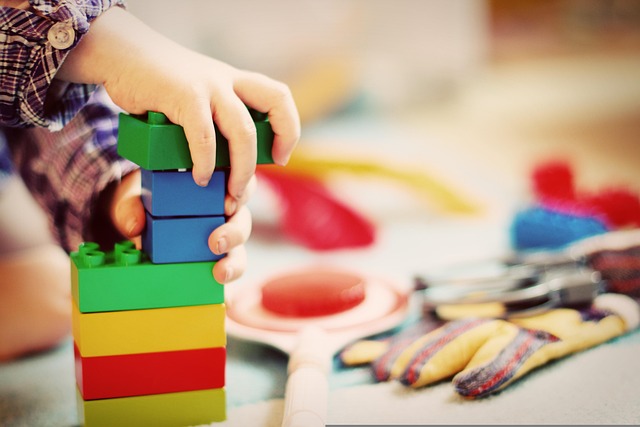
Play is one of the most effective tools in speech therapy because it creates natural and meaningful opportunities for communication. When children play, they are more engaged, motivated, and willing to use their words. Play encourages requesting, commenting, turn-taking, problem-solving, and social interaction are all essential communication skills. Play also builds confidence. In a fun, low-pressure environment, children feel safe trying new sounds and words, which leads to more practice and more progress. Through play, therapists can target speech, language, and social goals at the same time, without it feeling like work for the kids. Most importantly, play makes learning meaningful. Skills practiced during play are easier to carry over into everyday life at home, school, and with peers. In


Read More

Top School Readiness Skills: What Really Matters Before Preschool and Kindergarten

As spring approaches, many parents begin to wonder: Is my child ready for school next year? You may be asking yourself whether your child is developing the right skills—or whether your family is focusing time and energy on the areas that matter most for success in preschool or kindergarten. School readiness is about much more than knowing letters and numbers. Research consistently shows that children thrive in early learning environments when they have a strong foundation across several developmental areas. Below are the school readiness skills most commonly highlighted in research as key indicators of success for young learners. Core School Readiness Skills Pre-Literacy Concepts Understanding books, recognizing print, and developing early phonological awareness. WH-Questions (Who, What, Where, When, Why) Comprehending and

Read More

Early Hearing Support & Speech Development

Hearing plays a critical role in how children develop speech and language. Even mild or fluctuating hearing loss can impact sound development, vocabulary growth, and clarity of speech. Early identification and support make a powerful difference in helping children access language and communication. This month, we encourage families to stay attentive to listening behaviors, speech clarity, and responsiveness to sound. Early support, combined with speech therapy, helps children build strong communication foundations and confidence in their voices.

Read More